

Clothing plays an essential role in how we present ourselves, offering a blend of style, comfort, and personal expression. From casual pieces to formal attire, the clothes we choose reflect our identity and lifestyle. Understanding different clothing categories, materials, and styling methods helps create a wardrobe that is both functional and fashionable.
The Importance of Clothing
Expression of Personality
Clothing allows individuals to showcase their tastes, moods, and cultural influences. Colors, patterns, and designs contribute to a unique personal style.
Practical Protection
Beyond aesthetics, clothes protect the body from weather conditions, environmental factors, and physical strain. Quality materials improve comfort and durability.
Cultural and Social Significance
Clothing also represents traditions, professions, and social roles. Uniforms, ceremonial outfits, and cultural attire highlight identity and heritage.
Types of Clothing
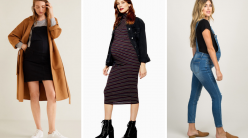
Everyday Wear
These pieces are designed for comfort and versatility.
- T-shirts and tops
- Jeans and trousers
- Casual dresses
- Sweaters and hoodies
Formal Attire
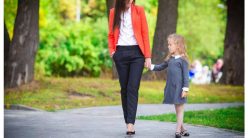
Formal clothing emphasizes structure, elegance, and sophistication.
- Business suits
- Blazers and dress shirts
- Evening gowns
- Tailored trousers
Seasonal Clothing
Weather determines key wardrobe choices.
- Winter coats and jackets
- Summer dresses and shorts
- Rain gear and windbreakers
- Thermal wear
Sportswear and Activewear
Designed for movement and performance, these items offer flexibility and breathability.
- Leggings and joggers
- Sports bras and tops
- Athletic shorts
- Moisture-wicking fabrics
Choosing the Right Clothing
Consider the Fabric
Material determines comfort, durability, and suitability.
- Cotton for breathability
- Wool for warmth
- Linen for lightweight wear
- Synthetic blends for performance
Evaluate Fit and Comfort
Proper fit enhances movement and appearance. Clothes should not feel too tight or too loose.
Prioritize Quality
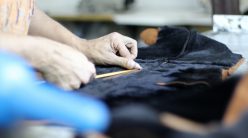
High-quality stitching, durable fabrics, and attention to detail ensure longer-lasting clothing.
Match Clothing to Occasion
Choose outfits appropriate for work, events, travel, or leisure to maintain confidence and relevance.
Clothing Trends Worth Noting
Sustainable Fashion
More consumers prefer eco-friendly fabrics and ethical production methods.
Minimalist Wardrobes
Capsule wardrobes focus on essential, timeless pieces that can be mixed and matched.
Athleisure
Combining athletic and casual wear, athleisure is ideal for comfort-driven lifestyles.
Vintage and Retro Styles
Older styles continue to inspire modern fashion, offering unique patterns and silhouettes.
Caring for Clothing
Wash and Store Properly
Follow fabric-specific care instructions to prevent shrinking, fading, or damage.
Use Mild Detergents
Gentle products maintain fabric strength and color.
Organize Closets
Storing clothes neatly prevents wrinkles and prolongs their quality.
FAQs
1. How do I choose the right size when shopping online?
Check the size chart, read customer reviews, and measure yourself for accuracy.
2. Which fabrics are best for hot weather?
Lightweight materials like cotton, linen, and moisture-wicking blends work best in heat.
3. How can I make my clothing last longer?
Wash gently, store properly, and avoid overusing the dryer.
4. What is the benefit of a capsule wardrobe?
It simplifies dressing, saves money, and reduces clutter while ensuring versatile outfit options.
5. Are sustainable clothing brands reliable?
Many offer high-quality, eco-friendly products, but checking certifications helps verify authenticity.
6. How do I keep colors from fading?
Wash clothes inside out, use cold water, and avoid harsh detergents.
7. What should I consider when buying formalwear?
Focus on fit, fabric quality, and timeless designs that can be reused for different events.