

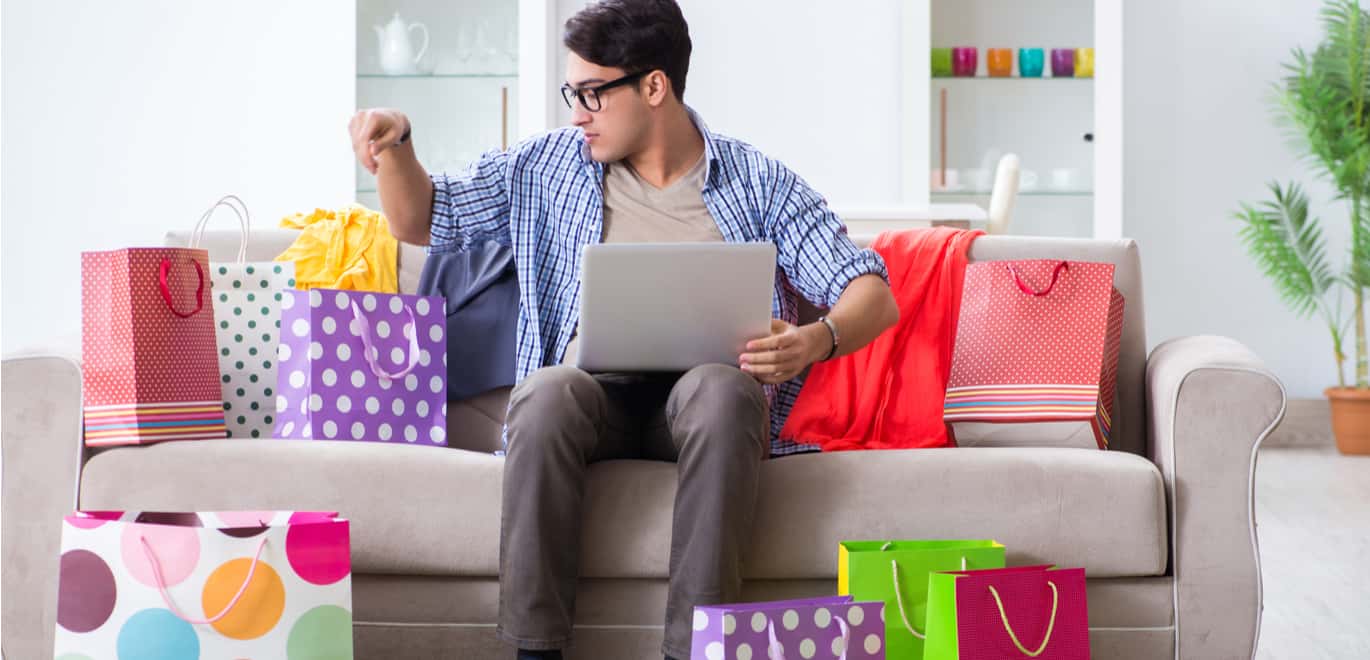
In recent years, second-hand online shopping has evolved from a niche market to a mainstream phenomenon shaping the global retail landscape. The convenience of digital platforms, the rise of eco-conscious consumers, and the desire for unique products have collectively fueled this transformation. Today, shoppers are increasingly turning toward resale platforms to buy pre-owned fashion, electronics, furniture, and collectibles. The growing popularity of second-hand online shopping highlights how technology and sustainability are converging to redefine consumer behavior and retail economics.
The Rise of the Circular Economy
At the heart of the second-hand shopping movement lies the concept of the circular economy. Unlike traditional retail, which relies on a linear “take-make-dispose” model, the circular economy emphasizes reuse, recycling, and waste reduction. Buying second-hand items extends the life cycle of products, reduces waste, and minimizes the demand for new raw materials.
This approach appeals strongly to modern consumers, particularly younger generations, who value environmental responsibility and seek to make ethical purchasing decisions. The shift from mass consumption to mindful consumption has redefined what “value” means in retail. Customers now view second-hand purchases not only as financially practical but also as environmentally impactful.
Key Drivers of the Circular Economy in Online Shopping
- Sustainability Awareness: Shoppers are increasingly aware of fashion waste, e-waste, and overproduction.
- Financial Efficiency: Buying pre-owned items allows access to premium brands at lower prices.
- Digital Accessibility: Online marketplaces make it easy to find, compare, and purchase used goods.
- Cultural Shift: Owning pre-loved items is no longer stigmatized; it’s seen as smart and sustainable.
The growth of this ecosystem illustrates how environmental awareness and digital innovation are creating a more balanced and responsible retail model.
Technological Advancements Powering the Second-Hand Market
Technology plays a central role in the expansion of second-hand online shopping. Sophisticated algorithms, AI-driven recommendations, and image recognition tools are helping consumers find items faster and more efficiently. Advanced logistics and secure payment systems have also built trust among buyers and sellers, overcoming previous barriers to resale transactions.
Technology’s Impact on Resale Platforms
- AI and Machine Learning: Improve product recommendations, price accuracy, and fraud detection.
- Augmented Reality (AR): Allows shoppers to visualize used furniture or fashion items in real-world settings before purchasing.
- Blockchain Integration: Enhances transparency by verifying the authenticity and ownership history of high-value goods.
- Mobile App Development: Provides seamless access to second-hand marketplaces anytime, anywhere.
These innovations not only streamline user experience but also strengthen the credibility of the resale ecosystem, making it an appealing option for a broader audience.
Economic Benefits of Buying and Selling Second-Hand Goods
The resale economy delivers significant financial advantages to both buyers and sellers. Consumers save money while accessing quality products, while sellers monetize items they no longer need. This mutually beneficial exchange creates a self-sustaining market that continually circulates goods and value.
Economic Impacts on Consumers and Businesses
- Affordability: High-end or rare items become accessible at lower prices.
- Income Generation: Individuals can earn extra income by reselling unused possessions.
- Market Expansion: Retailers are beginning to integrate resale channels alongside new product sales.
- Reduced Financial Waste: Buying second-hand prevents impulsive purchases that depreciate quickly.
From a macroeconomic perspective, the second-hand industry contributes to sustainable growth by promoting resource efficiency and reducing dependency on new manufacturing cycles.
Sustainability and Environmental Impact
One of the strongest motivators behind the growing popularity of second-hand online shopping is its positive environmental impact. The global retail industry, particularly fast fashion, is a major contributor to pollution and waste. Second-hand purchases significantly reduce these issues by decreasing production demands and minimizing landfill waste.
Environmental Advantages of the Resale Market
- Lower Carbon Emissions: Reusing products reduces the need for energy-intensive production.
- Waste Reduction: Fewer items end up in landfills.
- Water Conservation: Extending the life of textiles reduces water consumption in garment production.
- Resource Optimization: Less raw material extraction and fewer shipping cycles.
Every time a product is reused instead of replaced, it represents a tangible step toward a more sustainable economy. Consumers who buy pre-owned items are effectively voting for a greener planet with their wallets.
Changing Consumer Mindsets
The cultural perception of used goods has shifted dramatically over the past decade. What was once associated with lower income or limited choices is now viewed as a symbol of sustainability, individuality, and smart consumerism. Millennials and Generation Z are leading this shift, embracing second-hand shopping as part of a broader movement toward ethical consumption and minimalism.
Evolving Consumer Values
- Individual Expression: Vintage and pre-owned items allow for unique, personalized styles.
- Transparency and Ethics: Shoppers value brands and platforms that promote responsible consumption.
- Social Influence: Online communities and influencers promote thrift culture as trendy and aspirational.
- Value over Novelty: Consumers increasingly prefer quality and longevity over constant newness.
This new mindset positions the resale market not as an alternative to traditional shopping but as a mainstream, purposeful choice that aligns with modern lifestyles.
The Role of Social Commerce in Resale Growth
Social media has become a powerful catalyst for second-hand shopping. Platforms integrating marketplace features enable users to buy and sell directly within their communities. Visual platforms, in particular, play a key role in showcasing pre-owned items attractively, making resale a social and interactive experience.
Social Media’s Contribution to Resale Expansion
- User-Generated Content: Buyers share photos and reviews, building community trust.
- Influencer Marketing: Influencers promote thrift shopping and sustainability.
- Peer-to-Peer Transactions: Direct communication between buyers and sellers builds confidence.
- Real-Time Engagement: Live sales and auctions enhance excitement and immediacy.
The combination of social networking and commerce has blurred the line between shopping and social interaction, fueling exponential growth in second-hand marketplaces.
Trust, Quality, and Authenticity in the Resale Market
One of the biggest challenges in the early days of online resale was trust. Buyers were hesitant about product authenticity and condition. Today, technology and improved verification processes have addressed these concerns. Many online resale platforms now implement rigorous inspection systems, seller ratings, and authenticity guarantees.
Measures that Build Trust
- Product Authentication: Especially vital for luxury items and collectibles.
- Condition Grading: Clear descriptions and photos ensure transparency.
- Secure Payment Systems: Escrow or buyer protection safeguards transactions.
- User Reviews and Ratings: Help identify reliable sellers and high-quality items.
As consumer confidence grows, more people are willing to explore second-hand options, reinforcing the cycle of trust and participation in the resale economy.
How Retailers Are Adapting to the Resale Movement
Recognizing the momentum behind second-hand online shopping, many retailers are incorporating resale strategies into their business models. This approach not only captures new market segments but also aligns brands with sustainability values.
Business Adaptations in Retail
- Take-Back Programs: Allow customers to return used items for store credit.
- Partnerships with Resale Platforms: Expands reach to eco-conscious buyers.
- Certified Pre-Owned Collections: Offers authenticated used goods under brand supervision.
- Sustainability Initiatives: Strengthen brand reputation through circular economy efforts.
Retailers that adapt to this change are not only meeting consumer demand but also future-proofing their businesses in an increasingly sustainability-driven marketplace.
Global and Local Market Trends
The second-hand online shopping trend is growing worldwide, but it’s also highly localized. In the United States, resale has become part of mainstream culture, while in Europe and Asia, government policies and sustainability awareness are accelerating adoption.
Emerging Global Trends
- Integration with AI Pricing Tools: Ensures fair valuation of pre-owned goods.
- Rise of Micro-Resale Communities: Localized trading within small groups.
- Luxury Resale Growth: High-end items like watches and designer bags dominate this segment.
- Cross-Border Resale Expansion: Buyers and sellers interact globally, expanding product diversity.
The market’s flexibility and adaptability ensure that it continues to thrive across diverse consumer bases and geographic regions.
The Future of Second-Hand Online Shopping
Looking ahead, the resale industry is poised for continued expansion as technology, consumer awareness, and sustainability concerns converge. As younger generations dominate purchasing power, demand for pre-owned goods will grow exponentially. Innovations such as AI-driven authentication, smart logistics, and circular fashion initiatives will further strengthen this sector.
Future e-commerce ecosystems will likely integrate resale and new product markets seamlessly, allowing customers to switch effortlessly between buying new and second-hand items. The shift from ownership to experience-based consumption, where users buy, resell, and repurpose goods fluidly, will define the next decade of online retail.
FAQs
Q1. Why is second-hand online shopping becoming so popular?
It offers affordability, sustainability, and variety, allowing consumers to save money, reduce waste, and discover unique products that may not be available in mainstream retail stores.
Q2. Is buying used items online safe?
Yes, most platforms now include authentication systems, secure payments, and customer reviews, which ensure safe transactions and protect buyers from fraud.
Q3. What kinds of products are best suited for resale?
Fashion, electronics, books, home decor, and luxury goods are the most popular categories for second-hand online shopping due to their high resale value and demand.
Q4. How does second-hand shopping support sustainability?
By extending the life of products, resale reduces production demands, saves resources, and cuts down on waste, contributing to a more sustainable economy.
Q5. Are second-hand items of good quality?
Many pre-owned items, especially from reputable sellers, are gently used or even new with tags. Clear grading systems and photos ensure buyers know exactly what they are purchasing.
Q6. How is technology shaping the future of the resale market?
Artificial intelligence, blockchain verification, and mobile commerce tools are making the process faster, more secure, and highly personalized for buyers and sellers alike.
The growing popularity of second-hand online shopping is not just a passing trend—it’s a cultural, economic, and technological movement that redefines how people perceive value, ownership, and sustainability. By combining digital innovation with conscious consumerism, this evolution marks a pivotal shift toward a more responsible and inclusive global retail economy.