
Running a t-shirt printing business involves much more than just creating and selling custom designs. From conceptualizing a design to getting the final product into the hands of your customers, every day is filled with numerous steps that ensure everything runs smoothly. Behind the scenes, there are multiple tasks, from managing inventory to maintaining machines, and it all plays a crucial role in delivering high-quality printed shirts that meet customer expectations. Let’s take a closer look at a typical day in the life of a t-shirt printing business and uncover the important processes that make it all come together.
1. Morning: Preparing for the Day Ahead
The day often begins early, especially when orders need to be processed or designs need to be completed before production. The first task of the day is often to check for new orders. In today’s digital world, many customers place their custom t-shirt orders online, and it’s crucial to ensure the design specifications, sizes, and quantities are accurate.
Order Review and Design Confirmation
When an order is placed, it’s imperative to review it carefully. This includes verifying the artwork, checking for file compatibility, and ensuring the customer’s preferences are reflected correctly in the design. If any issues arise, whether it’s image resolution or color selection, the customer is contacted immediately to resolve them. Ensuring everything is in order from the start can prevent delays later in the process.
Team Briefing and Task Allocation
For larger businesses with multiple employees, the morning is the time to hold a quick team meeting or briefing. This is when the tasks for the day are assigned: which designs will be printed, which shirts need to be prepared, and what maintenance is required on the machines. A well-coordinated team is essential for a smooth operation, ensuring that each person knows their role and is ready to start.
2. Mid-Morning: Printing Preparation
With the orders reviewed and the design files confirmed, the next phase involves preparing the materials and equipment for printing. This stage requires great attention to detail, as a mistake here can lead to wasted resources and delayed timelines.
Preparing the T-Shirts and Blank Materials
The t-shirt printing process starts with the selection of blank apparel. Blank t-shirts come in different colors, fabrics, and sizes, and ensuring that the right style is available for the customer’s order is a priority. For a seamless production process, inventory should be well-managed, so the correct sizes and colors are always on hand.
Printing Setup: Preparing Screens or Printers
If the business uses screen printing, the next step involves setting up the screens. Screens are coated with emulsion and a design is exposed onto them using a light source. The screen is then prepared by washing it with water to reveal the design. This process can be time-consuming but is key to ensuring that the print quality is crisp and clear.
For digital printing methods like direct-to-garment (DTG), printers are prepared by ensuring the printer heads are cleaned, the ink cartridges are full, and the paper is properly aligned. DTG printing allows for a more detailed design and is often used for smaller batch orders or complex artwork.
3. Late Morning: The Printing Process
Once everything is prepped, the printing process begins. Depending on the printing method chosen, this step can vary in complexity and time.
Screen Printing
For large orders with a simple design, screen printing is often the preferred method. The prepared screens are placed on the press, and ink is pushed through the screen onto the fabric. The t-shirt is placed under the screen, and once the ink passes through, it creates the desired print. Multiple screens may be used for different colors, which requires precision to align the design correctly.
Direct-to-Garment (DTG) Printing
DTG printing works similarly to a regular inkjet printer but on fabric. The t-shirt is loaded into the printer, and the design is printed directly onto the fabric using water-based inks. DTG allows for full-color designs and is great for smaller runs or intricate artwork. However, it’s important to ensure the printer is properly maintained and the ink is properly calibrated to avoid misprints.
Heat Transfer Printing
Heat transfer printing involves printing a design onto transfer paper and then using heat to transfer it onto the fabric. This method is often used for detailed images or photographic designs. It’s an efficient method for smaller orders or when the designs involve intricate details or gradients.
4. Early Afternoon: Drying and Curing
After the t-shirts are printed, they must go through a drying or curing process to ensure the ink adheres properly and will not fade after washing. This step is crucial, as improperly cured prints can result in smudging or cracking.
Conveyor Dryer or Heat Press
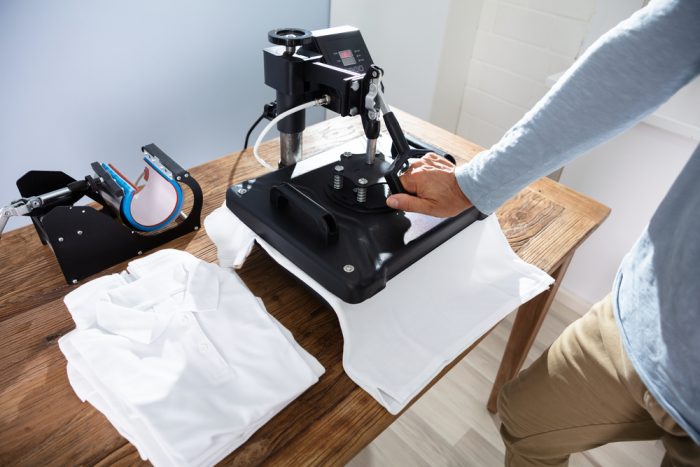
For screen printing, a conveyor dryer is often used to cure the ink. The t-shirts are passed through a heated tunnel where the ink is exposed to high temperatures, helping it bond with the fabric and become more durable. For heat transfer printing, a heat press is used to apply both pressure and heat, ensuring that the design is fully transferred to the fabric and the ink is set.
This phase also ensures that the final product is free from smudges or ink misprints, providing the customer with a high-quality finish.
5. Mid-Afternoon: Quality Control and Packaging
Once the shirts are cured and dried, the next step is quality control. This stage ensures that every shirt meets the standards of the business and satisfies customer expectations.
Inspection
Each shirt is inspected for printing errors, such as misaligned prints, ink smudges, or fading. Any shirts that don’t meet the company’s standards are set aside for reprinting. This ensures that customers receive only the best-quality items.
Packing and Shipping Preparation
Once approved, the shirts are folded and packaged, ready for shipment. Depending on the business model, this can involve placing the shirts in branded packaging, adding a thank-you note, or preparing bulk orders for events. Tracking labels are generated, and the shirts are sorted by delivery zones for efficient shipping.
6. End of the Day: Maintaining Equipment and Planning for Tomorrow
Before the workday concludes, it’s essential to spend time maintaining the printing equipment. This includes cleaning the printers or screens, checking the ink levels, and ensuring that everything is running efficiently for the next day’s production.
Cleaning and Maintenance
Proper maintenance ensures the longevity of the machines and prevents breakdowns. Printers need regular cleaning to avoid clogging, while screens and squeegees used in screen printing need to be washed and dried thoroughly. Maintaining equipment also minimizes the chances of delays caused by technical issues.
Planning for Tomorrow’s Orders
Lastly, the team often takes a moment to review the orders for the next day and ensure that inventory is stocked up, designs are ready, and there is enough time to meet deadlines. Proper planning helps the business stay organized and prepared for the next round of production.
A Day in the Life
Running a t-shirt printing business involves much more than simply printing designs on fabric. It requires careful planning, attention to detail, and skilled labor at every stage of the process. Whether you’re managing orders, preparing materials, printing designs, or ensuring quality control, each task is vital for delivering top-notch products that satisfy customers. Behind every custom t-shirt is a team working diligently to create a high-quality garment that showcases creativity and craftsmanship. It’s a busy and rewarding industry that thrives on both artistry and efficiency.